
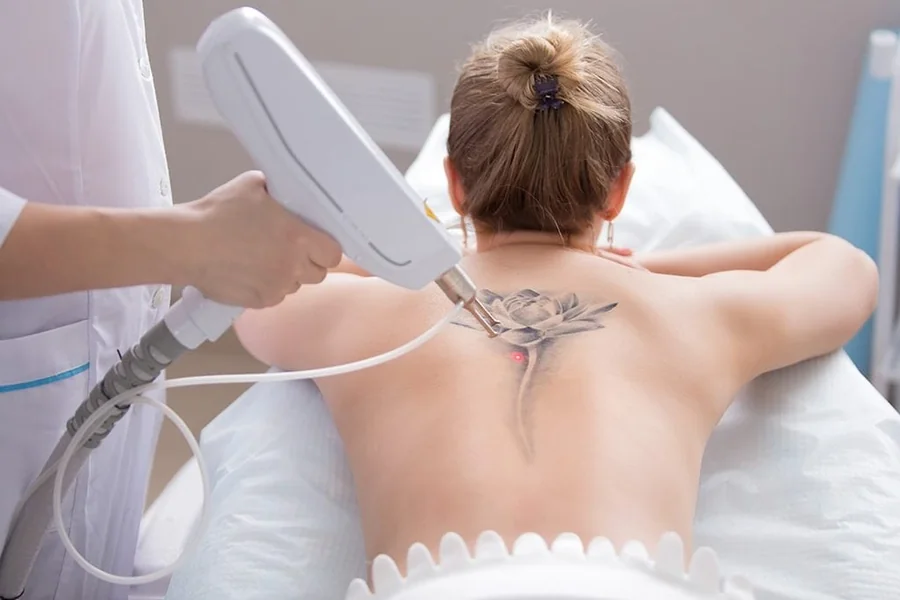
Getting a tattoo removed isn’t quite like erasing a mistake with a pencil. If you’re considering laser tattoo removal, you’ve probably done some basic research about how it works. But there’s a lot that clinics don’t advertise on their websites, and these hidden truths can significantly impact your experience and expectations. Let’s dive into the realities that most people only discover after they’ve already started the process.
Your Tattoo Will Look Worse Before It Looks Better
Here’s something that catches almost everyone off guard: your tattoo will actually look more prominent immediately after treatment. The laser breaks up the ink particles, causing inflammation and sometimes blistering. The area might appear raised, darker, or more colorful than before.
This alarming appearance is completely normal and temporary. Your body needs time to flush out the fragmented ink particles through your lymphatic system. The actual fading happens gradually over the weeks following each session, not during the treatment itself.
The Color of Your Ink Dramatically Affects the Process
Black ink is the easiest to remove, which surprises many people. Darker colors absorb all laser wavelengths, making them responsive to treatment. However, if your tattoo features bright colors like yellow, light green, or pastel pink, you’re in for a longer journey.
Different colored inks require different laser wavelengths to break down effectively. Some colors, particularly lighter ones, can be incredibly stubborn. This means a colorful sleeve might require significantly more sessions than a simple black design of the same size. When researching tattoo removal services Portland, OR or anywhere else, ask specifically about their experience with your ink colors.
Your Immune System Does Most of the Heavy Lifting
The laser doesn’t actually remove your tattoo. This might sound strange, but the laser’s job is simply to shatter the ink into tiny particles. Your immune system is what actually eliminates the ink from your body.
This is why sessions are spaced 6-8 weeks apart. Your body needs adequate time to process and remove the fragmented ink particles. People with stronger immune systems often see faster results, while those with compromised immunity may experience slower fading. Staying healthy, hydrated, and active between sessions can actually improve your results.
The Pain Factor Is Often Underestimated
Most clinics will tell you that removal hurts, but they rarely convey just how intense it can be. Many people report that laser removal is significantly more painful than getting the tattoo in the first place. The sensation is commonly described as having hot grease splattered on your skin or being repeatedly snapped with a rubber band.
The good news is that sessions are relatively quick, usually lasting just a few minutes depending on the tattoo’s size. Numbing creams can help, and some clinics offer other pain management options. The discomfort is temporary, but you should mentally prepare yourself for something more intense than a minor annoyance.
Complete Removal Isn’t Always Guaranteed
Despite what some marketing materials suggest, not every tattoo can be completely erased. Some will fade to near-invisibility, while others may leave a ghost image or slight discoloration. Factors like ink depth, your skin type, the tattoo’s age, and the original ink quality all play roles in the final outcome.
Older tattoos generally respond better to treatment because your body has already been working to break down the ink for years. Professional tattoos with high-quality ink placed deep in the skin can be more challenging than amateur stick-and-poke designs.
The Cost Will Likely Exceed Your Expectations
Tattoo removal is expensive, and the total cost is difficult to predict upfront. While you might see advertised prices per session, most tattoos require anywhere from 5 to 15 sessions. A small tattoo that costs a few hundred dollars per session can easily total several thousand dollars by the time you’re finished.
Size matters, but so do all those other factors we’ve discussed: color, ink quality, location on your body, and your individual response to treatment. Budget for more sessions than the minimum estimate you’re given.
Aftercare Is Just as Important as the Treatment
The way you care for your skin between sessions significantly impacts your results and healing. You’ll need to keep the treated area clean, avoid sun exposure, and resist the urge to pick at blisters or scabs. Swimming pools, hot tubs, and intense exercise should be avoided for several days after each session.
Failing to follow aftercare instructions can lead to scarring, infection, or poor fading results. Think of it as a months-long commitment to skin care, not just a series of appointments.
Final Thoughts
Laser tattoo removal is a serious investment of time, money, and discomfort. Understanding these lesser-known realities helps you make an informed decision and set realistic expectations. While the process has its challenges, modern laser technology has made removal more effective than ever before. If you’re truly committed to removing unwanted ink, knowing what lies ahead will help you navigate the journey with confidence.
