
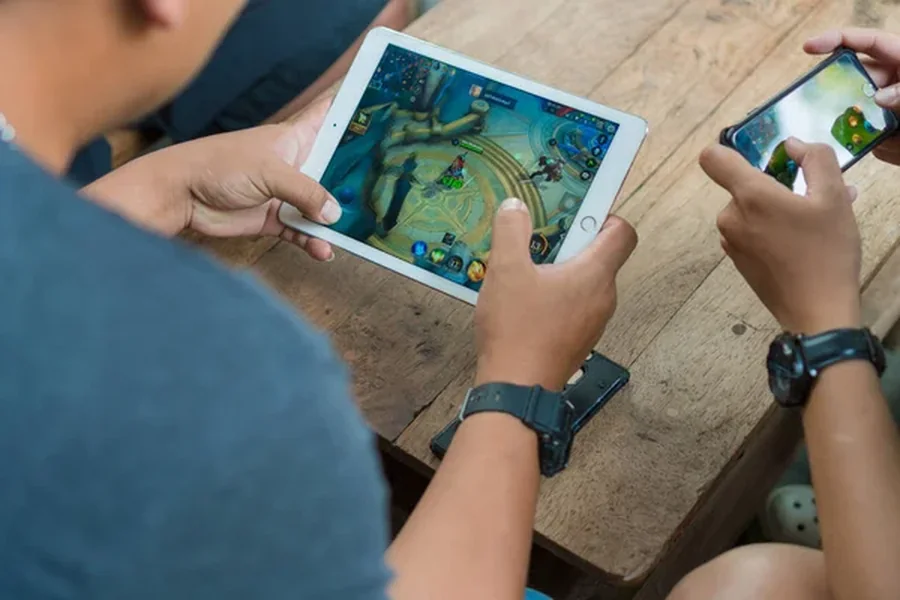
Have you ever closed a game, kept your phone aside, and still found yourself thinking about one level, one choice, or one moment from it?
Some games do not leave the mind quickly. They stay like a song you heard in the morning and keep remembering through the day.
The Mind Likes Unfinished Patterns
Our brain naturally tries to complete things. When a game leaves a puzzle, mission, score, or story point unfinished, the mind keeps returning to it. It feels like there is still something left to solve.
Why Unfinished Tasks Stay Longer
A half-done task can feel more active in memory than a finished one. In games, this can happen when you lose a close match, miss a hidden item, or stop before a key point. Your brain keeps replaying it because it wants closure.
This does not mean the game is controlling you. It simply means your mind is doing what it always does. It checks pending things and asks, “Can I do better next time?”
Small Challenges Create Strong Recall
Games often give small, clear challenges. You know what went wrong. You also know what you may try next. That clarity makes the memory stronger.
In daily life, many problems are unclear. But in games, the goal is usually simple. Reach the end. Beat the timer. Find the answer. Improve the score. Such clean goals are easy for the brain to store.
Emotion Makes Play More Memorable
A game that makes you feel something is easier to remember. It may be joy, tension, relief, surprise, or even mild regret after a wrong move.
Winning At The Right Moment Feels Personal
A win after many tries feels special because effort is attached to it. You remember not just the result, but also the struggle before it. That is why a simple level can stay in memory if it took patience to finish.
This is also why people talk about certain game moments like real-life incidents. The feeling was real, even if the setting was digital.
Losses Can Also Stay In A Useful Way
Losing in a game is not always negative. Many players remember losses because those moments teach them something. Maybe they rushed. Maybe they missed a clue. Maybe they chose the wrong path.
When handled well, such memories can build patience. The player starts thinking more clearly the next time. In that sense, games can support better focus and decision-making.
Stories Give The Brain A Place To Return
Games with strong stories stay longer because humans naturally remember events through stories. A plain score may fade, but a character choice or emotional scene can remain.
Characters Make Memories Feel Closer
When players spend time with characters, they slowly build a connection. It may not be deep like real relationships, but it can still feel meaningful. You remember what happened to them because you were part of the action.
This is one reason story-based games often create long-lasting memories. The player is not only watching. The player is choosing, moving, failing, and trying again.
Choices Make The Experience Feel Personal
When a game lets you choose, the memory becomes stronger. You may think later, “What if I selected another option?” That small question can stay in the head.
Some players even discuss such choices online through terms like BANDIT4D when talking about memory, patterns, and repeated play habits in general gaming spaces. The main point is simple. Choice makes the player feel involved.
Music And Visuals Act Like Memory Hooks
Sound and visuals can bring back a game instantly. A short tune, a colour pattern, or a menu sound can remind you of the full play session.
Music Connects Fast With Emotion
Music has a direct link with memory. A calm tune can remind you of safe areas. A fast beat can remind you of pressure. Even after months, hearing a similar sound may bring the game back to mind.
This happens in films and real life too. A song from school days can bring back old memories. Games use the same human response.
Visual Style Makes Recall Easier
A game with a clear visual identity is easier to remember. It does not need costly graphics. It only needs a look that feels distinct.
Colours, shapes, movement, and screen layout all help the brain form a mental picture. Later, even a small screenshot can bring back the whole memory.
Repetition Builds Familiar Mental Paths
Games repeat actions in a controlled way. You press, move, choose, retry, and improve. Over time, these actions become familiar paths in the mind.
Practice Makes The Brain Comfortable
When you repeat an action many times, the brain starts doing it with less effort. That is why players can remember controls even after a long break.
This also explains why some games feel relaxing. The brain already knows the pattern. It does not need to work too hard. It can enjoy the rhythm.
Reward Timing Keeps Interest Alive
Games often give rewards at careful moments. A new level, better score, unlocked area, or small success can keep the mind interested.
The useful part is that rewards support motivation. The less useful part is that some players may spend more time than planned. A balanced approach helps. Playing with time limits can keep the fun healthy.
Social Talk Keeps Games Alive After Play
A game can stay in your head because people talk about it. Friends discuss a level. Online posts explain a trick. Someone shares a funny mistake. The game continues outside the screen.
Shared Memories Become Stronger
When you tell someone about a game moment, you remember it again. Each retelling makes the memory stronger. This is why even a small match with friends can become a long-term memory.
People often remember not only the game, but also who they played with. The social part adds warmth to the experience.
Online Search Can Extend The Thought
Many players search for tips, explanations, or similar play styles after stopping. In that space, terms like BANDIT4D LINK may appear in gaming-related browsing. Still, the real reason the game stays in mind is the mix of curiosity, memory, and personal interest.
The search itself becomes part of the experience. You are no longer playing, but your mind is still connected to the idea.
Healthy Play Makes Memories Better
Games can leave good memories when play stays balanced. The aim is not to remove games from life, but to enjoy them with awareness.
Notice What You Feel After Playing
After a session, ask yourself how you feel. Are you relaxed, happy, and fresh? Or are you tired and irritated? Your answer can help you decide how much time is right.
A good game memory should not make daily life harder. It should feel like a nice break, not a burden.
Keep Play As One Part Of Life
Games are enjoyable when they sit beside work, family, study, rest, and real-life hobbies. When all parts have space, gaming feels lighter and more satisfying.
Taking breaks also helps the brain process the experience. Sometimes a game stays in your head not because you played too much, but because it gave you a clear feeling at the right time.
Final Thoughts
Some games stay in your head because they connect with normal human thinking. They give goals, emotion, stories, sound, visuals, challenge, and social memories. The brain remembers all this because it finds meaning in patterns and feelings.
In the end, a memorable game is not always the biggest or the most complex one. Sometimes it is the one that made you try again, think a little deeper, or smile after a small win. That is why, even after the screen is off, some games quietly remain with you.
