
The Space Traveler Divide: Uncovering the Difference between Astronaut and Cosmonaut
As humans continue to explore the vast expanse of space, two terms have become synonymous with bravery, skill, and adventure: astronaut and cosmonaut. While both refer to space travelers, there exists a distinct difference between the two, rooted in nationality, space agency affiliation, and historical context.
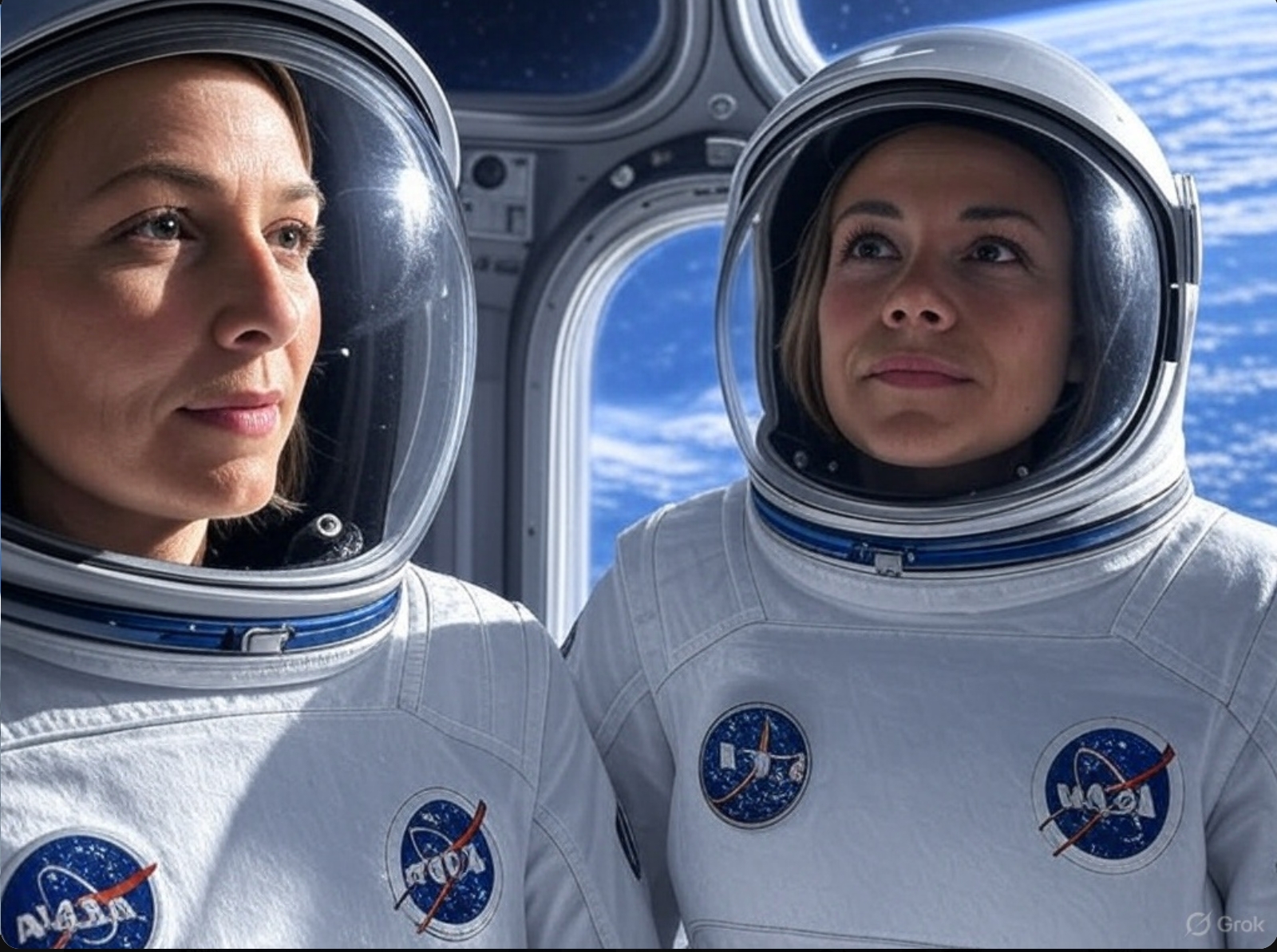
The term “astronaut” was coined by NASA in the 1960s, derived from the Greek words “astron” (star) and “nautis” (sailor). Astronauts are typically citizens of the United States and other Western countries, such as Canada, Europe, and Australia. They are employed by NASA or other Western space agencies, like the European Space Agency (ESA) or the Canadian Space Agency (CSA).
Astronauts have been at the forefront of space exploration, from the early Mercury and Gemini programs to the iconic Apollo missions that landed humans on the Moon. Today, astronauts continue to play a crucial role in the International Space Station (ISS) program, conducting scientific research and maintaining the orbiting laboratory.
In contrast, the term “cosmonaut” was introduced by the Soviet Union in the 1960s, derived from the Greek words “kosmos” (universe) and “nautis” (sailor). Cosmonauts are typically citizens of Russia and other former Soviet countries. They are employed by Roscosmos (Russian Federal Space Agency) or other space agencies from former Soviet countries.
Cosmonauts have a rich history of space exploration, beginning with Yuri Gagarin’s historic flight in 1961. They have played a significant role in the ISS program, providing critical support and expertise. Cosmonauts have also been involved in numerous spacewalks, scientific experiments, and robotic operations.
Despite the differences between astronauts and cosmonauts, both share a common passion for space exploration and a commitment to advancing human knowledge. As the space community continues to evolve, it is likely that the distinction between astronauts and cosmonauts will become increasingly blurred.
In fact, the ISS program has already demonstrated the power of international cooperation, with astronauts and cosmonauts working side by side to achieve common goals. As we look to the future of space exploration, it is clear that the shared spirit of adventure and discovery will continue to unite space travelers from around the world.
