
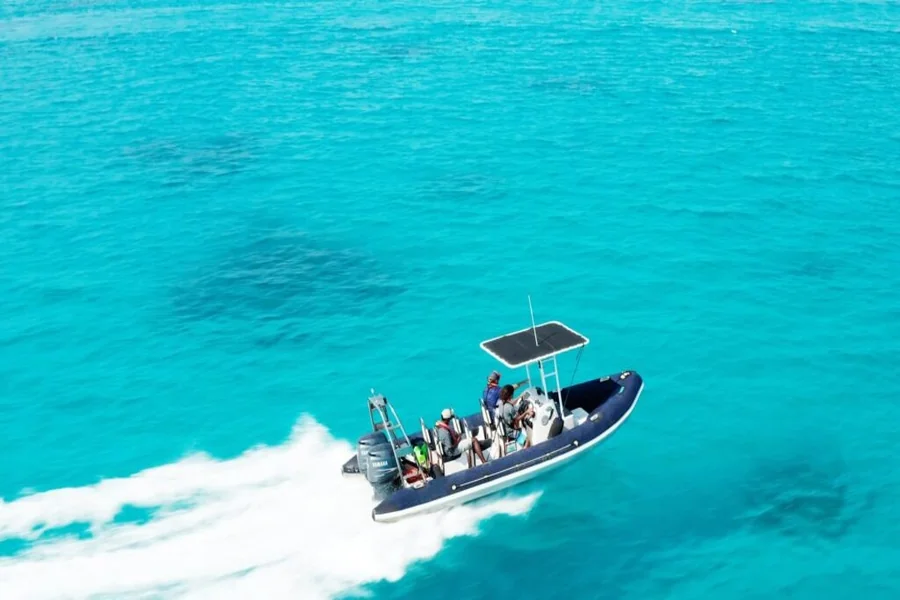
Navigating open waters has always required a blend of confidence, technical knowledge, and practical skill. While modern technology has made boating more accessible than ever, the responsibility of handling a vessel safely remains significant. This is where reputable yacht training institutes come in, serving as essential hubs for developing maritime competence. Whether a person dreams of leisurely weekend cruising or aims to build a professional maritime career, these institutes offer structured pathways to help individuals become capable and responsible boaters.
Why Formal Yacht Training Matters
Many beginners assume that operating a yacht is similar to driving a car, but the ocean tells a different story. Weather patterns shift, currents behave unpredictably, and crowded marinas require careful, skilled maneuvering. Training institutes provide a systematic environment where students can understand the complexity of seamanship without unnecessary risk.
Professional trainers emphasize both theory and real-world practice. They guide students through essential principles—navigation, safety, boat handling, engine basics, emergency protocols, and environmental responsibility. This combination ensures that learning is not just about passing exams, but about building the instincts and awareness required on the water.
The Role of Certification in Safe and Responsible Boating
Structured certification plays a key role in the maritime sector. Proper credentials help mariners operate vessels legally and competently, whether sailing for recreation or work. One crucial requirement for boaters in the region is the official UAE marine license, which demonstrates that an individual has met the safety, navigation, and operational standards set by local authorities. Training institutes prepare candidates for these certifications by offering step-by-step guidance, mock assessments, and practical sessions aligned with regulatory expectations.
Such licensing is not only about meeting legal requirements. It also opens access to international marinas, charter operations, and advanced sailing opportunities. Many ports and marinas around the world expect boaters to show proof of qualification before granting access, making certification an investment in long-term freedom and safety on the water.
Hands-On Learning: The Core of Effective Maritime Education
One of the defining strengths of a well-run yacht training institute is its emphasis on hands-on learning. Classroom sessions are necessary for understanding theory, but real experience strengthens competence. Trainees spend time onboard various vessels, learning docking techniques, anchoring, sail management, and emergency responses.
Simulators are another modern tool used in advanced training environments. They allow students to experience challenging scenarios—strong winds, low visibility, or crowded passages—in a risk-free setting. These simulations build decision-making skills that translate directly into safer real-world boating.
How Institutes Support Aspiring Professionals
The maritime sector offers a broad range of career paths. Beyond operating yachts, individuals can pursue roles in marine hospitality, vessel maintenance, charter operations, and even maritime safety services. Yacht training institutes often provide career support, connecting graduates with opportunities and offering advanced skill-building courses.
For those seeking specialized maritime roles, institutes help in accumulating sea time, preparing for advanced certifications, and meeting international qualification standards. By structuring courses to align with recognized global frameworks, training centers help create professionals ready to work in diverse marine environments.
Modern Course Options for Every Level of Boater
Training programs today are designed to accommodate wide-ranging interests and skill levels. Beginners benefit from introductory navigation and safety courses, while experienced boaters can pursue advanced modules focused on offshore sailing, night navigation, long-distance planning, and emergency command.
Institutes also deliver specialized content tailored to industry demands, such as radio communication, radar use, environmental compliance, and firefighting procedures. These modules are essential for individuals operating larger yachts or working in commercial maritime settings.
For recreational boaters, structured learning builds confidence and enhances enjoyment. Knowing how to manage a vessel in tight spaces, respond to sudden weather changes, or troubleshoot mechanical issues makes every journey smoother and more rewarding.
Yacht Training Programs Supporting Lifelong Maritime Learning
Boating is not a skill learned once and never revisited. Conditions evolve, vessel technologies change, and best-practice safety standards are continuously updated. Many institutes emphasize continuous learning through refresher courses, advanced skill tracks, and hands-on workshops. For those seeking structured maritime education, enrolling in yacht training programs can help build competence step by step, ensuring skills remain sharp and aligned with current industry requirements.
Lifelong learning also helps boaters maintain confidence as they move to larger vessels or explore new cruising grounds. Whether transitioning from coastal sailing to offshore expeditions, or from recreational boating to professional maritime work, training institutes provide the right progression for each stage.
Creating a Culture of Safety and Responsibility at Sea
Ultimately, the mission of a yacht training institute extends beyond teaching technical skills. These institutions are responsible for shaping a culture of safety, respect, and environmental stewardship. Responsible sailors understand that their behavior impacts the broader marine ecosystem and the safety of others on the water.
From proper waste disposal to navigational etiquette, institutes embed these values into every lesson. This ensures that graduates are not only competent mariners but also responsible members of the maritime community.
Conclusion
Yacht training institutes play an essential role in shaping skilled and confident boaters. Through structured education, hands-on practice, and professional certification support, they help individuals navigate the seas responsibly and safely. Whether someone seeks personal enrichment, professional development, or simply the joy of mastering a new skill, the journey begins with proper training—building knowledge, confidence, and a lifelong respect for the marine world.
